
Liberty is one of the most fundamental and powerful ideas in political thought. From ancient civilizations to modern democratic states, the demand for liberty has shaped political systems, social movements, and constitutional frameworks. Political science treats liberty not merely as a moral ideal, but as a practical principle that defines the relationship between the individual and the state. Understanding liberty is essential for students of political science because it explains how power is limited, rights are protected, and democracy is sustained.
This article explores the meaning of liberty, its major types, and its importance in political life. It also discusses how liberty operates in modern states and the challenges it faces in contemporary society.
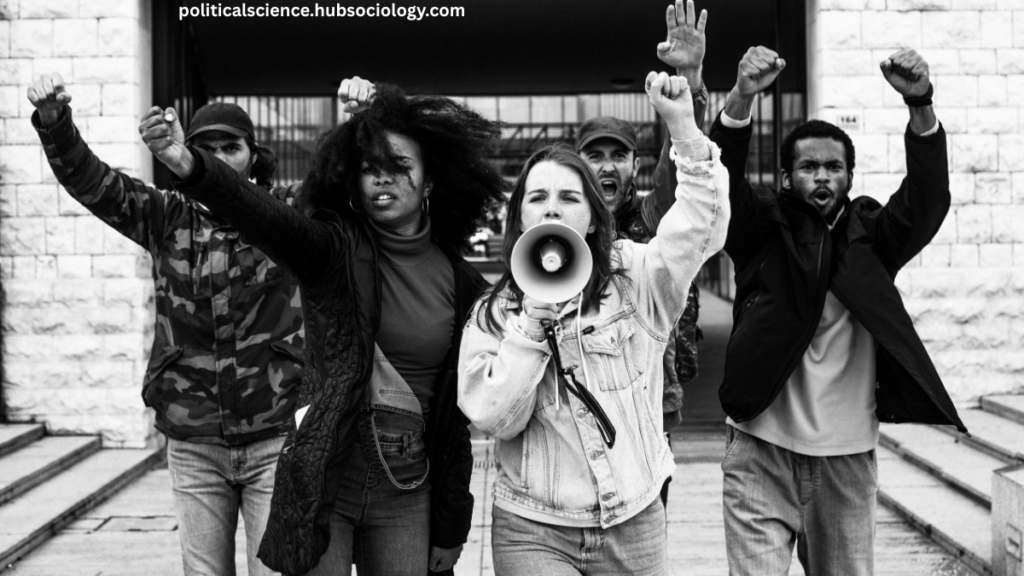
Table of Contents
Meaning of Liberty
The term liberty is derived from the Latin word liber, meaning “free.” In political science, liberty refers to the condition in which individuals are free to think, speak, act, and live according to their own choices without unjust interference from others or from the state.
However, liberty does not mean complete absence of control. Absolute freedom can lead to chaos, where the freedom of one person may harm another. Therefore, political liberty always exists within a framework of law, order, and responsibility.
Scholarly Views on Liberty
Different political thinkers have explained liberty in various ways:
- John Locke viewed liberty as freedom under the rule of law, not freedom from law.
- J.S. Mill defined liberty as protection of individual actions from social and political interference, as long as they do not harm others.
- Isaiah Berlin distinguished between negative and positive liberty.
- T.H. Green saw liberty as the ability to develop one’s moral and intellectual potential.
Despite differences, most thinkers agree that liberty is about securing space for individual choice while maintaining social order.
Political Meaning of Liberty
In political science, liberty means:
- Freedom from arbitrary authority
- Protection of fundamental rights
- Equality before the law
- Opportunity for self-development
- Participation in political life
Liberty is closely connected with democracy, constitutionalism, and the rule of law.
Historical Development of the Idea of Liberty
The idea of liberty has evolved over centuries:
- Ancient Greece emphasized political liberty, especially participation in public life.
- Roman Republic focused on legal rights and citizenship.
- Medieval Europe limited liberty to feudal privileges.
- Enlightenment thinkers like Locke and Rousseau promoted individual freedom.
- Modern democracies institutionalized liberty through constitutions and human rights.
The French Revolution, American War of Independence, and Indian freedom movement all placed liberty at the center of political struggle.
Types of Liberty
Liberty is not a single concept. Political science identifies several types of liberty based on different aspects of human life.
1. Natural Liberty
Natural liberty refers to the freedom people enjoy in a state of nature before the formation of government. According to thinkers like Hobbes and Locke, humans were originally free to act as they wished.
However, natural liberty had limits because it lacked security and legal protection. To protect life and property, people agreed to establish governments, surrendering some freedom in exchange for order.
Natural liberty laid the foundation for modern political rights.
2. Civil Liberty
Civil liberty means the freedoms that individuals enjoy within a society under the protection of law. These include:

- Freedom of speech
- Freedom of religion
- Freedom of movement
- Right to privacy
- Right to equality
Civil liberty ensures that citizens can live without fear of arbitrary arrest, censorship, or discrimination.
Unlike natural liberty, civil liberty is regulated by law. It exists within a constitutional framework that balances individual rights with social responsibilities.
3. Political Liberty
Political liberty refers to the right of citizens to participate in the political process. This includes:
- Right to vote
- Right to contest elections
- Freedom to form political parties
- Freedom to criticize the government
Political liberty allows people to influence decision-making and hold leaders accountable. Without political liberty, democracy becomes meaningless.
In authoritarian systems, political liberty is restricted, leading to concentration of power and suppression of dissent.
4. Economic Liberty
Economic liberty means freedom in economic activities such as:
- Choosing an occupation
- Owning property
- Running businesses
- Entering contracts
Economic liberty is essential for individual independence and social mobility. It allows people to improve their standard of living.
However, unchecked economic liberty can lead to exploitation and inequality. Therefore, modern states regulate markets to ensure fairness and social justice.
5. National Liberty
National liberty refers to the freedom of a nation from foreign domination. It means political independence and sovereignty.
India’s freedom struggle, for example, was a fight for national liberty against colonial rule. National liberty allows a country to decide its own political, economic, and cultural policies.
Without national liberty, individual liberties often remain insecure.
6. Moral Liberty
Moral liberty is the freedom to act according to one’s conscience and ethical beliefs. T.H. Green argued that true liberty means the ability to do what is morally right, not just what one desires.
Moral liberty emphasizes self-control, responsibility, and ethical development. It suggests that freedom without moral guidance can lead to social harm.
7. Positive and Negative Liberty
Isaiah Berlin introduced two influential concepts:
Negative Liberty means freedom from external interference. It focuses on limits to government power.
Positive Liberty means freedom to control one’s own life and achieve self-realization. It focuses on empowerment through education, health, and social support.
Modern political systems try to balance both forms.
Liberty and the State
Liberty does not exist in isolation. The state plays a crucial role in defining, protecting, and regulating liberty.
Role of Law
Law is not the enemy of liberty. Instead, it provides structure and protection. Laws prevent:
- Abuse of power
- Violation of rights
- Social disorder
A legal system ensures that freedom is not misused to harm others.
Constitutional Safeguards
Constitutions guarantee fundamental rights and limit state authority. Independent courts, separation of powers, and rule of law protect liberty from political misuse.
Democracy and Liberty
Democracy provides the best environment for liberty. Free elections, independent media, and active civil society ensure that citizens can express opinions without fear.
Authoritarian regimes, in contrast, restrict liberty to maintain control.
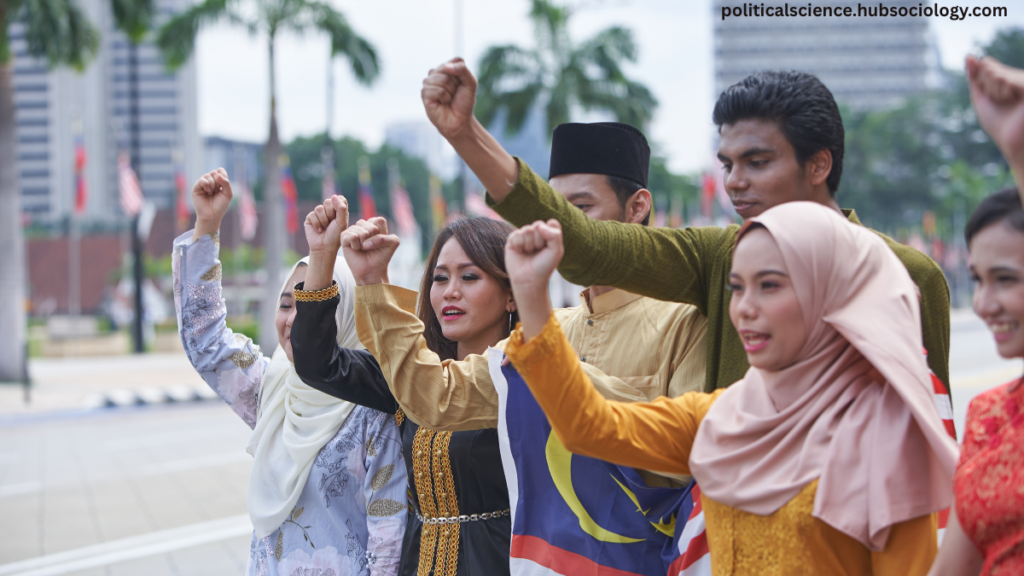
Importance of Liberty in Political Science
Liberty is not just a philosophical idea; it is a practical foundation of political systems.
1. Protection of Human Dignity
Liberty allows individuals to live with self-respect. Freedom of thought, belief, and expression are essential for human dignity.
When liberty is denied, people become subjects rather than citizens.
2. Foundation of Democracy
Democracy depends on free speech, free press, and free elections. Without liberty, public participation becomes impossible.
Liberty ensures that governments remain accountable to the people.
3. Development of Individual Personality
Freedom allows people to explore talents, express creativity, and pursue personal goals. Education, culture, and innovation thrive in a free environment.
A society without liberty suppresses human potential.
4. Social Progress
Liberty encourages debate, reform, and innovation. Social movements for gender equality, civil rights, and environmental protection all depend on freedom of expression and organization.
Progress is impossible where dissent is silenced.
5. Political Stability
When citizens enjoy liberty, they trust the political system. Suppression of freedom often leads to unrest, protests, and revolutions.
Liberty creates a sense of belonging and political legitimacy.
6. Protection from Tyranny
Liberty limits the power of rulers. Independent courts, free media, and active citizens prevent authoritarianism.
History shows that unchecked power leads to abuse.
Limits of Liberty
Liberty is not unlimited. Every society places restrictions to protect:
- Public order
- National security
- Moral values
- Rights of others
For example, freedom of speech does not include the right to spread violence or hatred.
The challenge is to balance liberty with responsibility.
Liberty in the Modern World
In the 21st century, liberty faces new challenges:
Digital Surveillance
Governments and corporations collect massive data. This raises concerns about privacy and freedom.
National Security
Anti-terror laws sometimes restrict civil liberties. The balance between security and freedom is debated worldwide.
Social Media
Freedom of expression is expanding, but so is misinformation and hate speech.
Economic Inequality
True liberty requires equal opportunities. Extreme inequality can limit real freedom for the poor.
Liberty in the Indian Political System
The Indian Constitution guarantees fundamental rights such as:
- Freedom of speech
- Freedom of religion
- Right to equality
- Right to life and liberty
Judicial review, free elections, and an independent press help protect liberty in India.
However, challenges like censorship, misuse of laws, and social discrimination continue to affect full realization of liberty.
Conclusion
Liberty is the heart of political life. It defines the relationship between individuals and the state, shapes democratic institutions, and protects human dignity. While liberty has many forms—civil, political, economic, moral, and national—its core purpose remains the same: to allow people to live freely, responsibly, and with self-respect.
Political science studies liberty not only as an abstract idea but as a living reality shaped by laws, institutions, and social struggles. In a changing world, protecting liberty requires constant vigilance, public awareness, and strong democratic values.
A society that values liberty creates citizens, not subjects—and citizens are the true strength of any political system.
Topic Related Questions
5 Marks Questions (Short Answer)
- What is meant by liberty in political science?
- Define civil liberty with two examples.
- What is political liberty?
- Explain natural liberty briefly.
- What is economic liberty?
- Mention any two types of liberty.
- What is national liberty?
- Define moral liberty.
- What is negative liberty?
- Why is liberty important for democracy?
- What is freedom of speech?
- How does law protect liberty?
- What is the relation between liberty and equality?
- What is positive liberty?
- Name two thinkers associated with the idea of liberty.
10 Marks Questions (Medium Answer)
- Explain the meaning of liberty with reference to political thinkers.
- Discuss civil liberty and its significance.
- Explain political liberty in a democratic system.
- Describe economic liberty with suitable examples.
- Explain the concept of natural liberty.
- Write a note on national liberty.
- Discuss moral liberty as explained by T.H. Green.
- Explain positive and negative liberty.
- Discuss the role of the state in protecting liberty.
- Explain the importance of liberty in modern society.
- Write a short essay on liberty and law.
- Discuss liberty in the Indian Constitution.
- Explain the relationship between liberty and democracy.
- How does liberty promote individual development?
- Discuss the limits of liberty.
15 Marks Questions (Long Answer / Essay)
- Explain the meaning, types, and importance of liberty in political science.
- Discuss the concept of liberty and its relevance in a democratic society.
- Critically examine the various types of liberty.
- Explain the role of liberty in protecting human rights.
- Discuss positive and negative liberty with suitable examples.
- Examine the relationship between liberty and the state.
- “Liberty is essential for democracy.” Discuss.
- Analyze the importance of liberty for individual and social development.
- Discuss liberty in the context of modern political challenges.
- Explain the constitutional safeguards of liberty in India.
- Critically evaluate the idea of moral liberty.
- Discuss the limits of liberty in a civilized society.
- Examine liberty as a foundation of political freedom.
- Explain how liberty prevents tyranny.
- Discuss liberty as a fundamental political value.
2 thoughts on “Liberty: Meaning, Types, and Importance in Political Science”