
Introduction
Liberalism is one of the most influential political ideologies in modern political thought. Traditionally, liberalism emphasized individual liberty, limited government, and freedom from state interference. This classical understanding of liberalism, often described as negative liberalism, focused on the idea that freedom exists when individuals are left alone by the state. However, social and economic transformations brought by industrialization, urbanization, and capitalism exposed serious limitations of this approach. Poverty, unemployment, illiteracy, and social inequality made it clear that mere absence of state interference could not guarantee real freedom for all individuals.
In response to these challenges, a new interpretation of liberalism emerged, known as Positive Liberalism. This version of liberalism redefined freedom and the role of the state, arguing that liberty must be actively supported by social and economic conditions. Positive liberalism thus represents a significant evolution in liberal political philosophy.

Table of Contents
Meaning of Positive Liberalism
Positive liberalism refers to a strand of liberal political thought that views liberty not merely as freedom from external constraints, but as the ability of individuals to develop their capacities and lead meaningful lives. According to this perspective, freedom is positive in nature because it requires the presence of enabling conditions such as education, health, employment opportunities, and social security. Without these conditions, formal legal freedom becomes meaningless for large sections of society.
Positive liberals argue that the state has a moral responsibility to intervene in social and economic life to remove obstacles that prevent individuals from realizing their potential. These obstacles may include poverty, disease, ignorance, and unequal access to resources. Therefore, positive liberalism supports state action in areas such as welfare, education, labor protection, and public health. Unlike classical liberals, positive liberals do not see the state as an inherent threat to liberty; instead, they view it as an instrument for promoting freedom.
The philosophical foundation of positive liberalism lies in the belief that individuals are socially embedded beings. Human development does not occur in isolation but within a social framework. Thus, freedom must be understood in relation to social conditions. This approach transforms liberalism from a purely individualistic doctrine into a socially conscious ideology.
Historical Background of Positive Liberalism
Positive liberalism emerged during the late nineteenth and early twentieth centuries, particularly in response to the social problems created by industrial capitalism. The Industrial Revolution led to massive economic growth, but it also produced extreme inequalities, exploitative labor conditions, and widespread urban poverty. Classical liberal policies of laissez-faire and minimal state intervention failed to address these issues.
Thinkers such as T. H. Green, L. T. Hobhouse, and J. A. Hobson played a crucial role in developing the ideas of positive liberalism. They argued that the state must actively promote social welfare and economic justice to ensure genuine freedom. Their ideas influenced the growth of welfare states in Europe and shaped modern democratic governance.
Positive liberalism also gained momentum after the Great Depression, when economic crises demonstrated the inability of free markets alone to ensure stability and social well-being. Governments increasingly adopted policies aimed at economic regulation, social security, and public welfare, reflecting the principles of positive liberalism.
Concept of Positive Freedom
The central idea of positive liberalism is positive freedom. Positive freedom refers to the capacity of individuals to act upon their free will and realize their potential. It is not enough for individuals to be free from coercion; they must also have the means and opportunities to make meaningful choices.
Positive liberals argue that a starving person is not truly free, even if the law does not restrict their actions. Similarly, an illiterate individual cannot fully exercise political or social freedom. In this sense, freedom becomes a substantive concept rather than a formal one. It is closely linked with social justice and equality of opportunity.
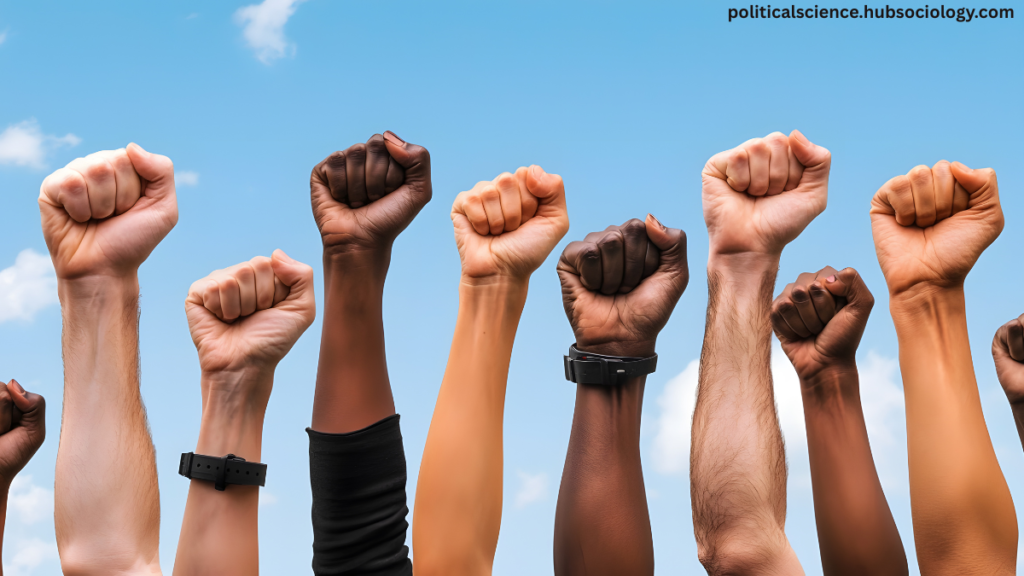
This idea contrasts sharply with negative freedom, which defines liberty as the absence of interference. Positive liberalism does not reject negative freedom but considers it incomplete. True liberty, according to positive liberals, requires both freedom from oppression and freedom to develop one’s abilities.
Role of the State in Positive Liberalism
Positive liberalism assigns an active and constructive role to the state. The state is seen as a facilitator of freedom rather than an enemy of liberty. It is responsible for creating conditions that enable individuals to lead dignified and productive lives.
This includes providing public education, healthcare, housing, and social security. The state is also expected to regulate economic activities to prevent exploitation, ensure fair wages, and protect workers’ rights. Such interventions are justified on the grounds that unregulated markets often concentrate wealth and power in the hands of a few, thereby limiting the freedom of many.
However, positive liberalism does not support unlimited state power. State intervention must be rational, democratic, and aimed at enhancing individual development. The goal is not to replace individual initiative but to support it. In this sense, positive liberalism seeks a balance between individual liberty and social responsibility.
Emphasis on Social Justice and Equality
Another key feature of positive liberalism is its emphasis on social justice and equality. Positive liberals argue that extreme economic inequalities undermine freedom by creating unequal life chances. While they do not advocate absolute equality, they support equality of opportunity.
Equality of opportunity means that individuals should have fair access to resources and opportunities necessary for self-development. This requires corrective measures by the state to address historical and structural disadvantages. Policies such as progressive taxation, public education, and social welfare programs are seen as legitimate tools for achieving this goal.
Positive liberalism thus bridges the gap between liberalism and social democracy. It retains a commitment to individual rights while acknowledging the importance of collective responsibility in ensuring a just society.
View on Rights and Duties
In positive liberalism, rights are not viewed in isolation from duties. While individuals possess fundamental rights, these rights come with corresponding social responsibilities. Freedom is meaningful only when individuals use it in ways that contribute to social well-being.

Positive liberals emphasize that rights such as the right to education, health, and employment are as important as civil and political rights. These are often referred to as social and economic rights. The recognition of such rights reflects the belief that the state must play an active role in securing the basic needs of its citizens.
At the same time, individuals are expected to contribute to society through productive work, civic participation, and respect for the rights of others. This mutual relationship between rights and duties strengthens social cohesion and democratic values.
Positive Liberalism and Democracy
Positive liberalism is closely associated with democratic governance. Democracy provides the institutional framework through which state intervention can be made accountable and responsive to public needs. Positive liberals argue that social welfare policies gain legitimacy when they are implemented through democratic processes.
Democracy also enhances positive freedom by allowing citizens to participate in decision-making. Political participation enables individuals to influence policies that affect their lives, thereby promoting self-realization. In this way, positive liberalism extends the concept of freedom beyond the private sphere into the public domain.
Moreover, democratic institutions help prevent the misuse of state power. Constitutional safeguards, rule of law, and independent judiciary ensure that state intervention remains consistent with individual liberty.
Criticism of Positive Liberalism
Despite its contributions, positive liberalism has faced criticism from various ideological perspectives. Critics argue that excessive state intervention can lead to paternalism and undermine individual autonomy. There is concern that the state may decide what is good for individuals, thereby restricting personal choice.
Some critics also claim that welfare policies create dependency and weaken personal responsibility. From a classical liberal perspective, positive liberalism dilutes the core principle of individual liberty by expanding the scope of state authority.
However, defenders of positive liberalism argue that these risks can be minimized through democratic accountability and limited, well-designed interventions. They maintain that ignoring social and economic inequalities poses a greater threat to freedom than responsible state action.
Contemporary Relevance of Positive Liberalism
In the contemporary world, positive liberalism remains highly relevant. Globalization, technological change, and economic inequality have created new challenges for liberal democracies. Issues such as unemployment, digital exclusion, healthcare access, and climate change require collective solutions.
Positive liberal principles inform modern welfare states, social security systems, and human development policies. International organizations and democratic governments increasingly recognize that freedom and development are interconnected. The idea that individuals need capabilities and opportunities to be truly free continues to shape public policy debates.
Positive liberalism also provides a moral justification for inclusive growth and social investment, making it a vital framework for addressing twenty-first-century challenges.
Conclusion
Positive liberalism represents a transformative phase in the evolution of liberal political thought. By redefining freedom as the capacity for self-development rather than mere absence of restraint, it addresses the social realities of inequality and deprivation. It recognizes the importance of the state in creating conditions that enable individuals to lead meaningful and dignified lives.
While maintaining a commitment to individual rights and democratic values, positive liberalism emphasizes social justice, equality of opportunity, and collective responsibility. Its balanced approach offers a compelling response to the limitations of classical liberalism and continues to influence modern political theory and public policy.
For Political Science students, positive liberalism provides a crucial lens for understanding the relationship between freedom, state intervention, and social welfare. It highlights the idea that liberty is not simply a legal condition but a lived experience shaped by social and economic circumstances. In this sense, positive liberalism remains one of the most significant and enduring contributions to modern political philosophy.