Introduction
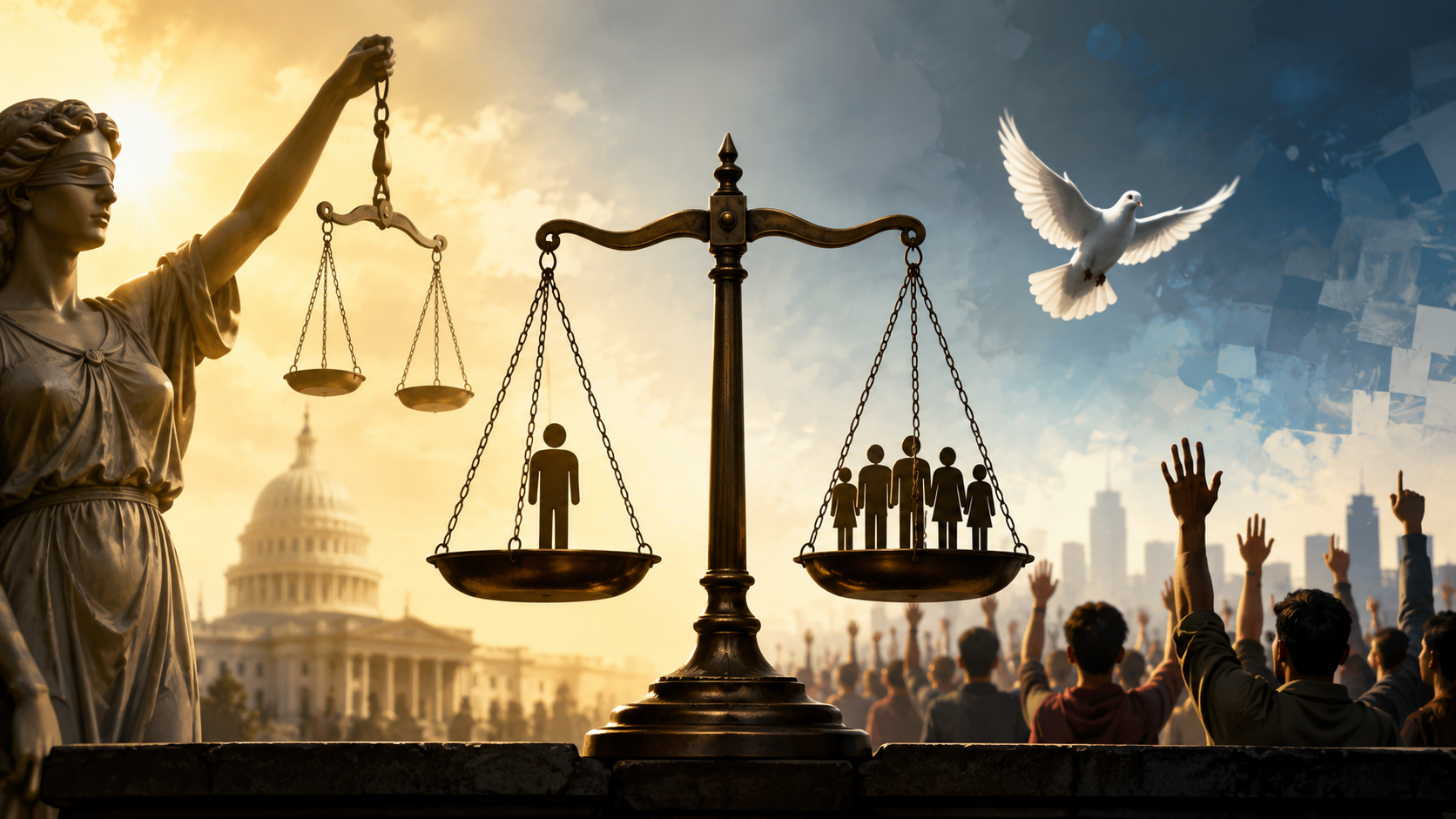
The relationship between liberalism and democracy is one of the most significant themes in political science. These two concepts have shaped the development of modern political systems, constitutional governments, and human rights across the world. Although they are often used together, liberalism and democracy are not identical ideas. Liberalism emphasizes individual liberty, equality before the law, constitutional government, and protection of rights, while democracy focuses on popular sovereignty, political participation, and majority rule.
In many countries today, political systems are described as liberal democracies, combining democratic elections with constitutional protections for civil liberties. However, history demonstrates that democracy can exist without liberalism, just as liberal principles can exist without full democracy. Understanding this distinction is essential for students of political science because it explains the successes and challenges of contemporary governments.
This article explores the meaning of liberalism and democracy, their historical development, their similarities and differences, their interdependence, major theoretical debates, contemporary challenges, and their relevance in the twenty-first century.

Understanding Liberalism
Liberalism is a political philosophy that places the individual at the center of political life. It argues that every person possesses natural rights that governments must respect rather than create.
The word “liberal” originates from the Latin liber, meaning “free.” Liberal thinkers believe that political institutions exist primarily to protect individual freedom rather than control people’s lives.
The major principles of liberalism include:
- Individual liberty
- Equality before law
- Rule of law
- Constitutional government
- Protection of human rights
- Freedom of speech and expression
- Religious freedom
- Private property
- Limited government
- Free market economy (in classical liberalism)
Liberalism rejects arbitrary authority and insists that governments derive legitimacy from respecting citizens’ rights.
Table of Contents
Understanding Democracy
Democracy literally means “rule of the people.” The term comes from the Greek words:
- Demos – people
- Kratos – power
Democracy is a political system where citizens participate directly or indirectly in governing the state.
Modern representative democracy includes:
- Universal adult franchise
- Free and fair elections
- Political competition
- Multiple political parties
- Accountability of government
- Public participation
- Majority rule
- Peaceful transfer of power
Unlike liberalism, democracy primarily focuses on who governs, whereas liberalism focuses on how government governs.
Historical Evolution
Ancient Democracy
The earliest form of democracy emerged in Ancient Athens during the fifth century BCE. Citizens directly participated in political decision-making. However, women, slaves, and foreigners were excluded.
This early democracy emphasized political participation but lacked many liberal principles such as universal rights.
Rise of Liberalism
Modern liberalism developed during the seventeenth and eighteenth centuries.
Several historical developments encouraged liberal thought:
- Renaissance
- Reformation
- Scientific Revolution
- Enlightenment
- Industrial Revolution
Thinkers challenged monarchy, feudalism, and religious authority.
The American Revolution and French Revolution further popularized liberal ideals such as liberty, equality, and constitutional government.
Expansion of Democracy
Initially, voting rights were restricted to wealthy property owners.
Throughout the nineteenth and twentieth centuries, democratic rights expanded due to movements advocating:
- Universal suffrage
- Women’s voting rights
- Workers’ rights
- Civil rights
- Anti-colonial struggles
Eventually, liberal constitutionalism and democracy merged into what is now called liberal democracy.
Relationship Between Liberalism and Democracy

Liberalism and democracy are closely connected but conceptually different.
Liberalism protects individual rights.
Democracy empowers the people.
A democratic government gains authority from elections, while a liberal government limits its own power through constitutional safeguards.
Together they ensure both political participation and protection of freedom.
The relationship can be understood through several dimensions.
1. Individual Rights and Majority Rule
Democracy follows majority decisions.
Liberalism protects minorities from majority oppression.
For example, if the majority votes to restrict freedom of religion, liberal constitutional principles prevent such discrimination.
Thus liberalism places constitutional limits on democratic power.
2. Rule of Law
Both liberalism and democracy support the rule of law.
No individual—including political leaders—is above the law.
Independent courts ensure that governments remain accountable.
Without rule of law, democratic elections alone cannot guarantee freedom.
3. Constitutional Government
Liberalism emphasizes constitutional limits.
Democracy provides elected governments.
The constitution ensures that elected governments cannot violate fundamental rights.
Therefore constitutionalism connects liberalism with democracy.
4. Political Participation
Democracy encourages citizens to participate in governance.
Liberalism guarantees freedoms necessary for participation, including:
- Freedom of speech
- Freedom of association
- Freedom of assembly
- Freedom of press
Without these freedoms, democratic participation becomes meaningless.
5. Accountability
Democracy holds governments accountable through elections.
Liberalism strengthens accountability through:
- Independent judiciary
- Free media
- Civil society
- Human rights institutions
Together they prevent abuse of power.
Liberal Democracy
Liberal democracy represents the fusion of liberal values and democratic institutions.
It combines:
- Competitive elections
- Universal suffrage
- Independent judiciary
- Constitutional rights
- Separation of powers
- Free press
- Political pluralism
- Civil liberties
Most developed democratic countries follow this model.
The success of liberal democracy lies in balancing freedom with political equality.
Liberalism Without Democracy

History provides several examples where liberal principles existed before democratic rights.
During the nineteenth century in Britain, governments protected property rights and legal equality while restricting voting rights.
Only wealthy men could vote.
Thus liberal institutions developed before full democracy.
Even today, some governments protect economic freedom while limiting political participation.
Such systems cannot be considered fully democratic.
Democracy Without Liberalism
Some countries conduct elections but fail to protect civil liberties.
These are often called illiberal democracies.
Characteristics include:
- Weak judiciary
- Restrictions on media
- Political intimidation
- Suppression of opposition
- Limits on civil liberties
Although elections occur, citizens do not enjoy genuine freedom.
This demonstrates that democracy alone cannot ensure liberty.
Similarities Between Liberalism and Democracy
Despite important differences, they share several common values.
Both support:
- Political equality
- Consent of the governed
- Rule of law
- Accountability
- Constitutional government
- Peaceful political competition
- Protection against arbitrary power
These shared principles explain why liberal democracy has become the dominant political model in many parts of the world.
Differences Between Liberalism and Democracy
| Liberalism | Democracy |
|---|---|
| Focuses on individual freedom | Focuses on popular sovereignty |
| Protects rights | Promotes participation |
| Limits government power | Legitimizes government through elections |
| Emphasizes constitutionalism | Emphasizes majority rule |
| Prioritizes liberty | Prioritizes equality in political participation |
| Protects minorities | Represents majority preferences |
These differences are complementary rather than contradictory.
Major Thinkers on Liberalism and Democracy
John Locke
Locke argued that governments exist to protect natural rights:
- Life
- Liberty
- Property
Governments violating these rights lose legitimacy.
His ideas influenced constitutional democracy.
John Stuart Mill
Mill strongly defended individual liberty and freedom of expression.
He believed democracy should protect minority opinions rather than suppress them.
His work remains central to liberal democratic theory.
Jean-Jacques Rousseau
Rousseau emphasized popular sovereignty.
According to him, legitimate authority comes from the general will of the people.
His ideas greatly influenced democratic theory.
Alexis de Tocqueville
Tocqueville admired democracy but warned against the “tyranny of the majority.”
He believed strong civil associations and local governments protect liberty.
Friedrich Hayek
Hayek emphasized economic freedom and warned against excessive government intervention.
He argued that individual liberty is essential for democratic society.
Robert Dahl
Dahl developed the idea of polyarchy, identifying characteristics of modern democratic systems including:
- Competitive elections
- Political participation
- Freedom of expression
- Alternative sources of information
His work explains practical democracy rather than ideal democracy.
Liberal Democracy in Practice
Modern liberal democracies share common institutions.
Free Elections
Citizens periodically elect representatives.
Election commissions ensure fairness.
Peaceful transfer of power strengthens political stability.
Independent Judiciary
Courts protect constitutional rights.
They review government actions.
Judicial independence prevents authoritarianism.
Free Press
Independent media informs citizens.
It investigates corruption.
It promotes government accountability.
Civil Society
Non-governmental organizations, trade unions, student groups, and voluntary associations encourage participation beyond elections.
Civil society strengthens democracy by representing diverse interests.
Human Rights
Liberal democracies recognize:
- Freedom of religion
- Freedom of speech
- Freedom of assembly
- Right to education
- Right to equality
- Right to privacy
These rights cannot easily be removed by temporary political majorities.
Criticism of Liberal Democracy
Despite its achievements, liberal democracy faces criticism.
Marxist Criticism
Marxists argue liberal democracy mainly protects capitalist interests.
Economic inequality limits genuine political equality.
Wealthy groups influence elections and public policy.
Conservative Criticism
Some conservatives believe excessive emphasis on individual freedom weakens traditional institutions such as family, religion, and national identity.
Participatory Democratic Criticism
Participatory democrats argue voting every few years is insufficient.
Citizens should participate continuously through local institutions and public decision-making.
Populist Criticism
Populist leaders often argue liberal institutions such as courts and independent media obstruct the will of the people.
Critics warn this can undermine constitutional democracy.
Contemporary Challenges
The relationship between liberalism and democracy faces several global challenges.
Rise of Populism
Many populist movements criticize constitutional constraints and independent institutions.
This creates tensions between majority rule and liberal rights.
Digital Misinformation
Social media spreads misinformation rapidly.
False information influences elections and weakens informed democratic participation.
Political Polarization
Increasing ideological divisions reduce compromise and weaken democratic governance.
Polarization often damages trust in institutions.
Economic Inequality
Growing inequality allows wealthy interests to exercise disproportionate political influence.
Many scholars argue democracy cannot flourish where economic inequality becomes extreme.
Declining Public Trust
Many citizens increasingly distrust governments, political parties, and media.
Restoring institutional credibility remains one of the greatest challenges for liberal democracy.
Liberalism and Democracy in Developing Countries
Developing democracies often face unique difficulties.
These include:
- Weak institutions
- Corruption
- Poverty
- Ethnic conflict
- Political violence
- Electoral malpractice
Building liberal democracy requires more than elections.
Strong institutions, independent courts, political education, and active civil society are equally essential.
Liberalism, Democracy, and Human Rights
Human rights connect liberalism and democracy.
Democratic governments gain legitimacy from citizens.
Liberal principles ensure governments respect human dignity.
International human rights standards encourage states to protect:
- Civil rights
- Political rights
- Social rights
- Economic rights
- Cultural rights
Together they strengthen democratic governance.
Why Liberalism Needs Democracy
Without democracy:
- Governments may become authoritarian.
- Citizens cannot hold rulers accountable.
- Political participation disappears.
- Public consent weakens.
Democracy provides legitimacy for liberal constitutional government.
Why Democracy Needs Liberalism
Without liberalism:
- Majorities may oppress minorities.
- Civil liberties disappear.
- Independent institutions collapse.
- Elections lose fairness.
Liberalism ensures democracy remains free rather than merely electoral.
Future of Liberal Democracy
The future of liberal democracy depends on balancing competing values.
Governments must simultaneously protect:
- Individual liberty
- Political equality
- Social justice
- National security
- Economic opportunity
Technological change, artificial intelligence, climate challenges, and globalization will require democratic institutions to adapt while preserving constitutional freedoms.
The resilience of liberal democracy ultimately depends on informed citizens, transparent institutions, independent courts, and political accountability.
Conclusion
Liberalism and democracy are distinct yet deeply interconnected political traditions. Liberalism emphasizes the protection of individual rights, constitutional government, and the rule of law, while democracy focuses on popular sovereignty, political equality, and citizen participation. Neither concept alone can guarantee a free and just political order. Democracy without liberalism risks becoming majoritarian and authoritarian, whereas liberalism without democracy lacks broad public legitimacy and accountability.
The modern idea of liberal democracy seeks to reconcile these traditions by ensuring that governments are both elected by the people and constrained by constitutional principles that safeguard fundamental rights. Although liberal democracies face challenges such as populism, misinformation, polarization, and inequality, they remain the most influential model for combining freedom with representative government.
For political science students, understanding the relationship between liberalism and democracy is essential because it reveals how political systems strive to balance individual liberty with collective decision-making. This balance continues to shape constitutional design, public policy, and democratic governance across the world, making the study of liberalism and democracy central to the discipline of political science.
FAQs on Liberalism and Democracy
1. What is Liberalism and Democracy?
Liberalism and Democracy refers to the relationship between individual liberty and popular rule, where governments are elected by the people while protecting fundamental rights and freedoms.
2. What is the difference between Liberalism and Democracy?
Liberalism focuses on individual rights, constitutional government, and the rule of law, whereas democracy emphasizes popular sovereignty, political participation, and majority rule.
3. Why are Liberalism and Democracy closely related?
Liberalism and Democracy complement each other because liberalism safeguards individual freedoms while democracy ensures that governments derive their authority from the people.
4. Can democracy exist without liberalism?
Yes. A country may hold elections but fail to protect civil liberties, judicial independence, or minority rights. Such systems are often described as illiberal democracies.
5. Can liberalism exist without democracy?
Yes. Historically, some states protected property rights and individual freedoms while limiting voting rights, showing that liberal principles can exist without full democratic participation.
6. What are the main principles of Liberalism and Democracy?
The core principles include individual liberty, equality before the law, constitutional government, rule of law, political participation, free elections, and protection of human rights.
7. Who are the major thinkers associated with Liberalism and Democracy?
Important thinkers include John Locke, John Stuart Mill, Jean-Jacques Rousseau, Alexis de Tocqueville, Friedrich Hayek, and Robert Dahl.
8. What is a liberal democracy?
A liberal democracy is a political system that combines democratic elections with constitutional protections for civil liberties, human rights, and the rule of law.
9. Why is the rule of law important in Liberalism and Democracy?
The rule of law ensures that everyone, including political leaders, is subject to the law, preventing arbitrary use of power and protecting citizens’ rights.
10. How do Liberalism and Democracy protect minority rights?
Liberalism limits the power of the majority through constitutional safeguards, ensuring that minority groups enjoy equal rights and freedoms within a democratic system.
11. What role do free elections play in Liberalism and Democracy?
Free and fair elections allow citizens to choose their representatives, hold governments accountable, and ensure peaceful transfers of political power.
12. What are the challenges facing Liberalism and Democracy today?
Major challenges include political polarization, populism, misinformation, economic inequality, declining public trust, and threats to judicial independence and press freedom.
13. Why are human rights important in Liberalism and Democracy?
Human rights protect the dignity and freedoms of individuals, ensuring that democratic governments cannot violate fundamental liberties even with majority support.
14. How does Liberalism and Democracy contribute to good governance?
By combining accountable government, constitutional limits, citizen participation, and protection of rights, Liberalism and Democracy promote transparent, stable, and responsible governance.
15. Why should Political Science students study Liberalism and Democracy?
Understanding Liberalism and Democracy helps students analyze modern political systems, constitutional governments, public policy, human rights, and the balance between liberty and popular sovereignty.