Introduction
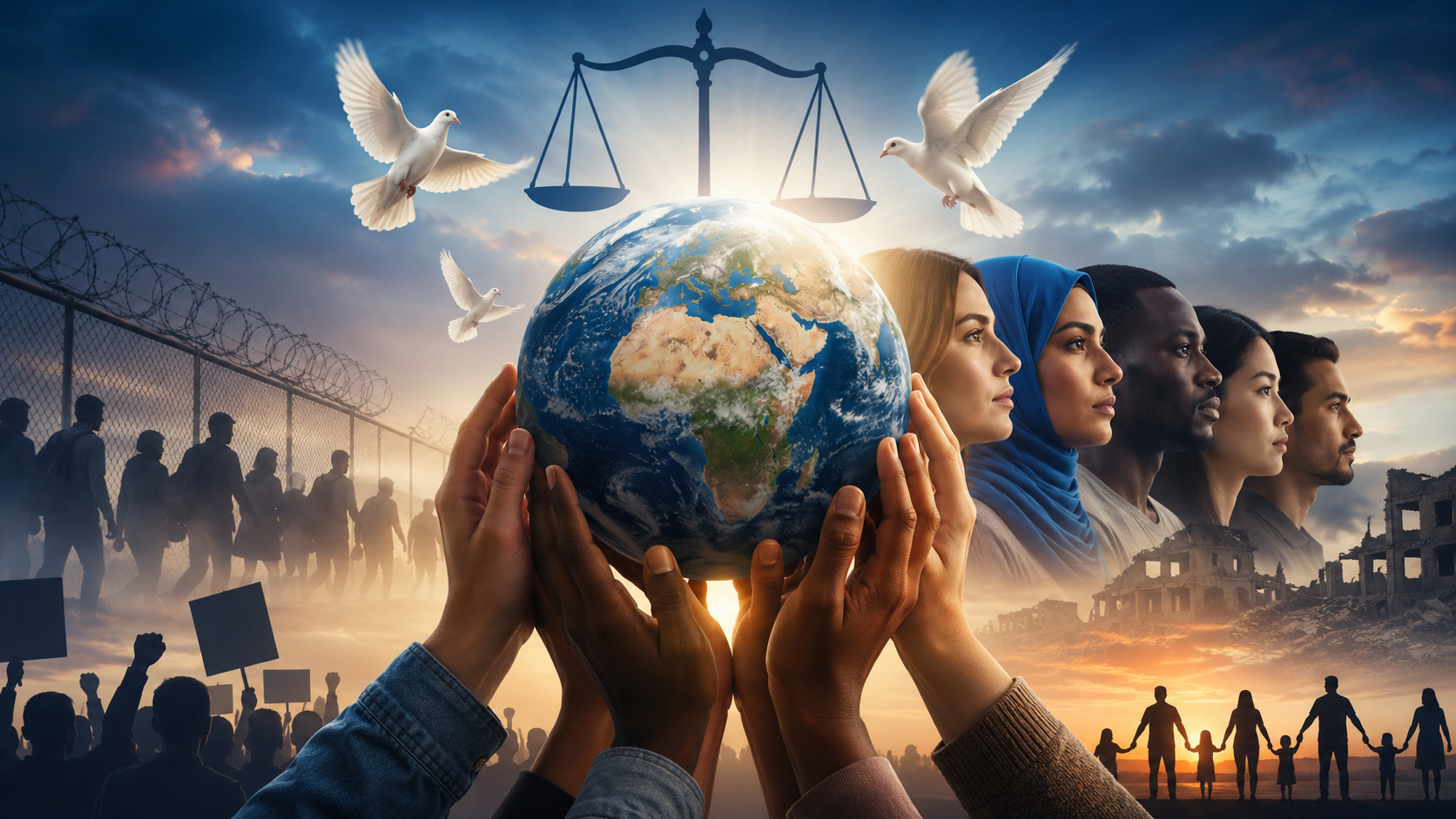
Human rights have become one of the most influential concepts in contemporary world politics. In the modern international system, governments, international organizations, civil society groups, and citizens increasingly debate issues related to freedom, equality, dignity, justice, and protection from oppression. Human rights are no longer confined within the domestic jurisdiction of states; they now shape diplomacy, international law, economic sanctions, humanitarian intervention, global activism, and even military conflicts.
The twentieth and twenty-first centuries witnessed major political transformations that strengthened the global human rights movement. The horrors of the two World Wars, colonial exploitation, genocide, racial discrimination, and authoritarian regimes created global awareness about the need to protect human dignity universally. As a result, human rights emerged as a central theme in international relations and political science.
In contemporary world politics, human rights influence relations between developed and developing countries, democratic and authoritarian regimes, international organizations, and non-state actors. Issues such as refugee crises, minority rights, gender equality, freedom of expression, digital surveillance, climate justice, and humanitarian intervention are now deeply connected with human rights discourse.
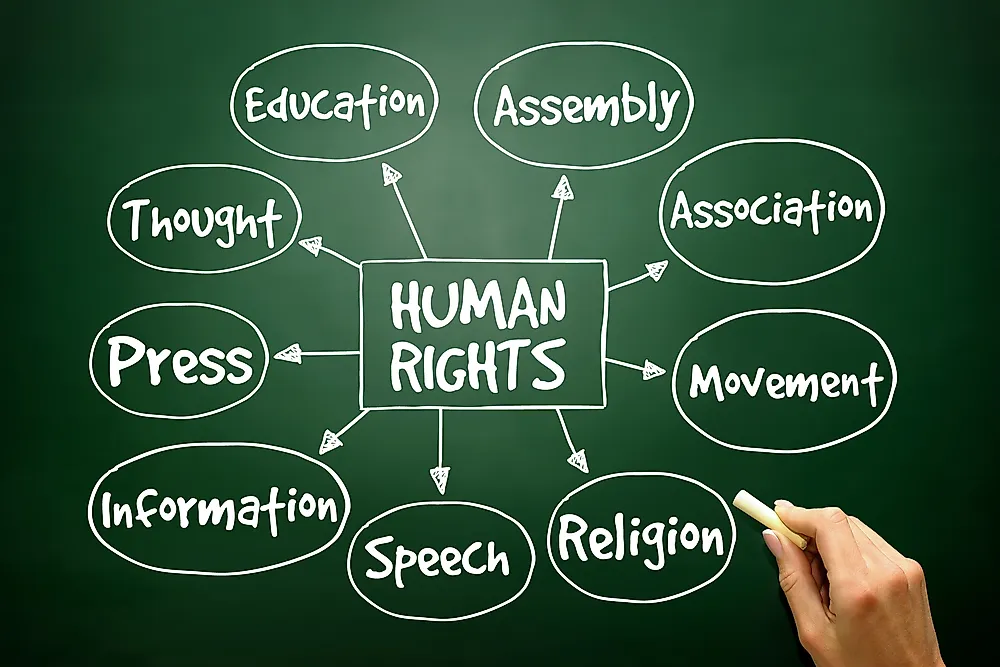
This article examines the meaning, historical evolution, theoretical perspectives, institutional framework, major issues, challenges, and future of human rights in contemporary world politics.
Meaning and Concept of Human Rights
Human rights are the basic rights and freedoms that belong to every human being regardless of nationality, religion, race, gender, language, ethnicity, or social status. These rights are considered universal, inalienable, indivisible, and fundamental for human dignity.
Human rights include:
- Civil rights
- Political rights
- Economic rights
- Social rights
- Cultural rights
Some common examples are:
- Right to life
- Freedom of speech
- Freedom of religion
- Right to education
- Right to work
- Right to equality
- Protection from torture
- Right to political participation
The modern understanding of human rights is based on the idea that every person deserves respect and dignity simply because they are human.
Historical Development of Human Rights
Ancient and Medieval Foundations
Although the modern concept of human rights developed recently, its roots can be traced to ancient civilizations. Religious and philosophical traditions in India, China, Greece, and the Middle East emphasized justice, morality, and human dignity.
Documents such as the Magna Carta (1215) in England limited the powers of rulers and recognized certain legal protections for individuals.
Enlightenment and Liberalism
The Enlightenment period in Europe significantly shaped modern human rights. Thinkers such as:
- John Locke
- Jean-Jacques Rousseau
- Montesquieu
- Thomas Paine
argued that individuals possess natural rights that governments must protect.
The American Declaration of Independence (1776) and the French Declaration of the Rights of Man and Citizen (1789) promoted ideas of liberty, equality, and popular sovereignty.
Human Rights After the Second World War
The Second World War and the Holocaust exposed the dangers of fascism, racism, and authoritarianism. Millions of deaths created a global demand for international mechanisms to protect human rights.
The establishment of the United Nations in 1945 marked a turning point in global human rights politics.
In 1948, the UN adopted the Universal Declaration of Human Rights (UDHR), which became the foundation of international human rights law. The UDHR declared that all human beings are born free and equal in dignity and rights.
Features of Human Rights
Universality
Human rights apply to all individuals without discrimination. Every human being possesses these rights regardless of cultural or political differences.
Inalienability
Human rights cannot be taken away arbitrarily. Governments cannot legally remove basic human freedoms without justification.
Indivisibility
Civil, political, economic, social, and cultural rights are interconnected. Violation of one right often affects others.
Equality
Human rights emphasize equal treatment and equal protection under the law.
Accountability
States and institutions are accountable for protecting and promoting human rights.
Human Rights and International Politics
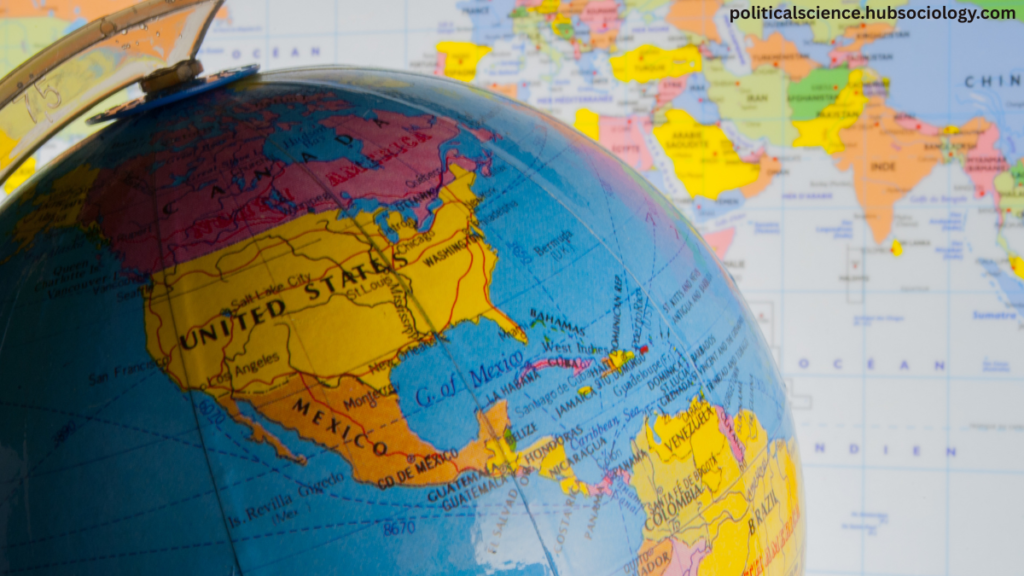
Human rights have become an essential element of international relations. Today, many foreign policy decisions are influenced by human rights considerations.
Human Rights as a Foreign Policy Tool
Many democratic countries use human rights as part of their foreign policy. Governments may:
- Criticize authoritarian regimes
- Impose sanctions
- Provide humanitarian aid
- Support democracy movements
- Promote international legal accountability
However, critics argue that powerful countries sometimes selectively use human rights to advance strategic interests.
Humanitarian Intervention
Humanitarian intervention refers to external involvement in another state to prevent serious human rights violations such as genocide, ethnic cleansing, or crimes against humanity.
Examples include interventions in:
- Kosovo
- Libya
- Somalia
Supporters argue that the international community has a moral responsibility to protect civilians. Critics believe such interventions may violate national sovereignty or be misused for geopolitical purposes.
Human Rights and Globalization
Globalization has expanded communication, trade, migration, and international activism. Human rights issues now spread rapidly through global media and digital platforms.
International NGOs, social movements, and activists can mobilize global opinion against human rights abuses. At the same time, globalization has also created new challenges such as labor exploitation, human trafficking, and economic inequality.
Theoretical Perspectives on Human Rights
Liberal Perspective
Liberalism strongly supports human rights, democracy, individual freedom, and international cooperation.
Liberals believe:
- Democratic governments protect rights better
- International institutions can promote peace and justice
- Human rights are universal values
Liberal thinkers support international law and global governance mechanisms.
Realist Perspective
Realists argue that states primarily pursue national interest and power rather than moral ideals.
According to realism:
- Human rights are often secondary to security and strategic interests
- Powerful states selectively apply human rights principles
- International politics remains dominated by competition among states
Realists criticize the idealistic assumptions of universal human rights.
Marxist Perspective
Marxists argue that human rights discourse often reflects capitalist interests.
They believe:
- Economic inequality limits real freedom
- Wealthy nations dominate global institutions
- Social and economic rights are more important than formal political freedoms
Marxists emphasize class exploitation and structural inequality in global politics.
Feminist Perspective
Feminist scholars highlight gender inequality and patriarchal structures in world politics.
They focus on issues such as:
- Violence against women
- Gender discrimination
- Reproductive rights
- Unequal political representation
Feminists argue that traditional international relations ignored women’s experiences and rights.
Postcolonial Perspective
Postcolonial thinkers examine how colonialism shaped global inequality and human rights discourse.
They argue that:
- Western powers often dominate international institutions
- Human rights language may sometimes reflect Western cultural values
- Developing countries face structural disadvantages in global politics
Postcolonial scholars call for more inclusive and culturally sensitive approaches.
International Human Rights Institutions
United Nations Human Rights System
The UN plays the leading role in global human rights protection.
Important UN bodies include:
- UN Human Rights Council
- Office of the High Commissioner for Human Rights
- International Court of Justice
- Treaty-monitoring committees
The UN investigates violations, promotes awareness, and encourages legal reforms.
International Criminal Court
The International Criminal Court prosecutes individuals responsible for genocide, war crimes, and crimes against humanity.
The ICC represents an important step toward international accountability. However, some countries criticize it for political bias and selective prosecution.
Regional Human Rights Organizations
Different regions have developed their own human rights systems.
Examples include:
- European Court of Human Rights
- African Commission on Human and Peoples’ Rights
- Inter-American Court of Human Rights
These institutions strengthen regional legal protection mechanisms.
Non-Governmental Organizations
Human rights NGOs play a major role in exposing abuses and mobilizing public opinion.
Important organizations include:
- Amnesty International
- Human Rights Watch
- International Federation for Human Rights
These groups conduct investigations, publish reports, and pressure governments.
Major Human Rights Issues in Contemporary World Politics
Refugee and Migration Crisis
Wars, political instability, climate change, and economic inequality have displaced millions of people worldwide.
Refugees often face:
- Statelessness
- Discrimination
- Poor living conditions
- Restricted access to education and healthcare
The global refugee crisis has become a major political and humanitarian issue.
Freedom of Expression and Digital Rights
The digital age has transformed human rights debates.
Many governments use:
- Internet surveillance
- Censorship
- Data monitoring
- Online restrictions
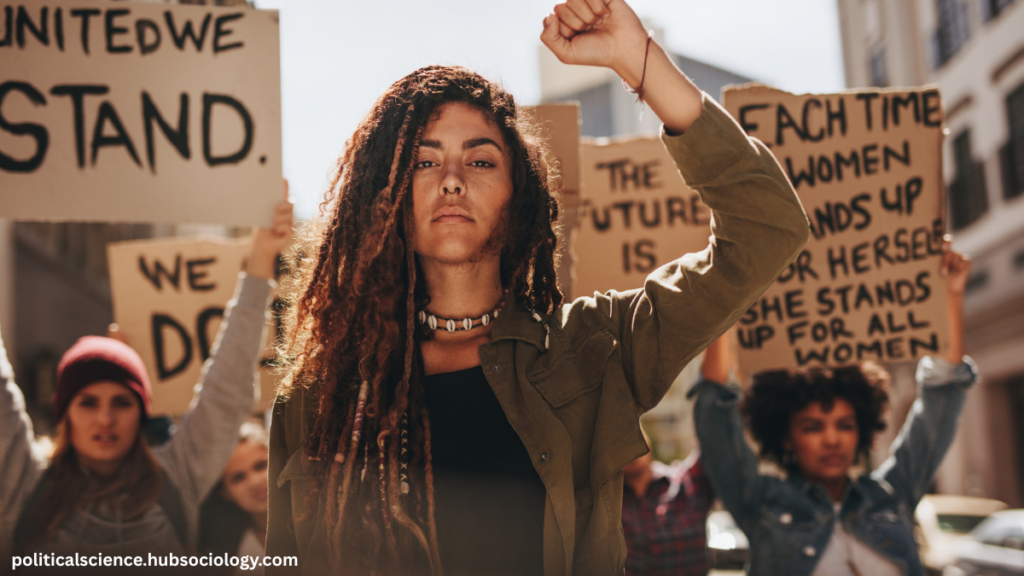
At the same time, social media platforms have empowered activists and social movements worldwide.
Balancing security and digital freedom remains a significant challenge.
Gender Rights
Gender equality is a major issue in global politics.
Women and LGBTQ+ communities continue to face:
- Violence
- Workplace discrimination
- Political exclusion
- Unequal access to education and healthcare
International movements have increased awareness regarding gender justice and equal rights.
Religious and Ethnic Conflicts
Many societies experience tensions based on religion, ethnicity, and identity politics.
Minority groups often face:
- Discrimination
- Forced displacement
- Hate crimes
- Political marginalization
Human rights protection is essential for maintaining social harmony and pluralism.
Climate Change and Environmental Rights
Climate change has emerged as a human rights issue because environmental destruction affects human survival and dignity.
Problems include:
- Water scarcity
- Food insecurity
- Natural disasters
- Climate migration
Many scholars now argue that access to a healthy environment should be recognized as a fundamental human right.
Terrorism and Counterterrorism
After events such as the September 11 attacks, governments adopted stronger security measures.
However, counterterrorism policies sometimes led to:
- Arbitrary detention
- Torture
- Surveillance abuses
- Restrictions on civil liberties
The challenge is balancing national security with human rights protection.
Human Rights and Sovereignty
One of the biggest debates in contemporary world politics concerns the relationship between human rights and state sovereignty.
Traditionally, sovereignty meant that states had authority over internal affairs without external interference. However, massive human rights violations raised questions about whether sovereignty should protect abusive governments.
The principle of “Responsibility to Protect” (R2P) argues that the international community has a responsibility to intervene when states fail to protect their populations from genocide, war crimes, ethnic cleansing, and crimes against humanity.
This debate continues to shape international politics.
Challenges to Human Rights in the Contemporary World
Rise of Authoritarianism
Many countries are witnessing democratic decline and authoritarian governance.
Some governments suppress:
- Political opposition
- Independent media
- Civil society organizations
- Electoral freedoms
This trend weakens human rights institutions globally.
Selective Application of Human Rights
Powerful countries are often accused of applying human rights standards selectively.
Some states criticize rivals while ignoring violations committed by allies. This creates distrust and politicization.
Economic Inequality
Extreme global inequality limits access to education, healthcare, employment, and social security.
Economic injustice undermines meaningful enjoyment of human rights.
Armed Conflicts
Civil wars and international conflicts continue to cause massive human suffering.
Modern warfare often targets civilians, hospitals, schools, and refugee camps.
Weak International Enforcement
International organizations frequently lack the power to enforce human rights decisions effectively.
Political interests of powerful states sometimes obstruct international accountability.
Human Rights in Developing Countries
Developing countries face unique human rights challenges due to poverty, weak institutions, corruption, and social inequality.
Important concerns include:
- Child labor
- Human trafficking
- Limited healthcare
- Lack of education
- Political instability
- Gender inequality
At the same time, many developing countries argue that economic development and social welfare are essential components of human rights.
India and Human Rights
As the world’s largest democracy, India has constitutional provisions protecting fundamental rights.
Important rights include:
- Equality before law
- Freedom of speech
- Religious freedom
- Cultural rights
- Constitutional remedies
Institutions such as the National Human Rights Commission monitor violations.
However, India also faces challenges related to:
- Communal tensions
- Gender violence
- Caste discrimination
- Custodial violence
- Digital surveillance debates
Human rights discussions remain central to Indian democracy and political development.
Future of Human Rights in World Politics
Human rights will continue to play a major role in international politics in the future.
Emerging issues include:
- Artificial intelligence and privacy
- Cybersecurity
- Climate justice
- Digital citizenship
- Biotechnology ethics
- Global migration
- Rights of indigenous communities
The future effectiveness of human rights protection depends on:
- International cooperation
- Democratic institutions
- Civil society activism
- Legal accountability
- Public awareness
Technological advancement and globalization will create both opportunities and challenges for human rights.
Conclusion on Human Rights in Contemporary World Politics
Human rights have become one of the defining features of contemporary world politics. They influence international law, diplomacy, global governance, social movements, and political debates across nations. From freedom of expression to gender equality, refugee protection to climate justice, human rights remain deeply connected with global political developments.
Despite significant progress since the adoption of the Universal Declaration of Human Rights, serious challenges continue to exist. Armed conflicts, authoritarianism, economic inequality, discrimination, terrorism, and digital surveillance threaten the protection of human dignity worldwide.
At the same time, international organizations, activists, democratic institutions, and civil society movements continue to promote awareness and accountability. Human rights are not merely legal principles; they represent humanity’s ongoing struggle for justice, equality, and dignity.
For political science students, the study of human rights is essential for understanding contemporary international relations and global governance. Human rights politics reveals the complex relationship between power, morality, sovereignty, democracy, and justice in the modern world. As global interdependence increases, the protection of human rights will remain a crucial challenge and responsibility for the international community.
FAQs on Human Rights in Contemporary World Politics
1. What are Human Rights in Contemporary world politics?
Human Rights in Contemporary world politics refer to the universal rights and freedoms that protect human dignity, equality, liberty, and justice in modern international relations and governance.
2. Why are Human Rights in Contemporary politics important?
Human Rights in Contemporary politics are important because they promote democracy, social justice, peace, equality, and protection against oppression and discrimination.
3. How do Human Rights in Contemporary societies affect international relations?
Human Rights in Contemporary societies influence diplomacy, foreign policy, international law, humanitarian intervention, and global cooperation among nations.
4. What are the major issues related to Human Rights in Contemporary world politics?
Major issues include refugee crises, gender inequality, digital surveillance, racial discrimination, climate justice, freedom of speech, and ethnic conflicts.
5. What role does the United Nations play in Human Rights in Contemporary politics?
The United Nations promotes Human Rights in Contemporary politics through international treaties, peacekeeping missions, human rights councils, and humanitarian programs.
6. How does globalization impact Human Rights in Contemporary society?
Globalization spreads awareness about Human Rights in Contemporary society through media, technology, and international activism, but it can also increase inequality and labor exploitation.
7. What is the relationship between democracy and Human Rights in Contemporary politics?
Democracy supports Human Rights in Contemporary politics by ensuring freedom of speech, fair elections, political participation, and protection of civil liberties.
8. How do authoritarian governments challenge Human Rights in Contemporary world politics?
Authoritarian governments may suppress media freedom, political opposition, civil liberties, and human rights activists in the name of national security or political stability.
9. What are digital rights in Human Rights in Contemporary politics?
Digital rights include online privacy, freedom of expression on the internet, protection from cyber surveillance, and access to digital information.
10. Why is climate change connected to Human Rights in Contemporary debates?
Climate change affects food, water, health, housing, and livelihoods, making environmental protection an important part of Human Rights in Contemporary discussions.
11. What are economic rights in Human Rights in Contemporary societies?
Economic rights include the right to work, fair wages, healthcare, education, and social security necessary for a dignified life.
12. How do NGOs contribute to Human Rights in Contemporary world politics?
Organizations like Amnesty International and Human Rights Watch monitor abuses, raise awareness, and pressure governments to protect human rights.
13. What is the Responsibility to Protect doctrine in Human Rights in Contemporary politics?
The Responsibility to Protect (R2P) doctrine states that the international community should act when a state fails to protect its people from genocide, war crimes, or crimes against humanity.
14. What challenges limit Human Rights in Contemporary international politics?
Challenges include armed conflict, terrorism, poverty, weak international enforcement, political interests, and selective application of human rights principles.
15. What is the future of Human Rights in Contemporary world politics?
The future of Human Rights in Contemporary world politics will focus on digital freedom, artificial intelligence ethics, climate justice, migration, and stronger global cooperation.
1 thought on “Human Rights in Contemporary World Politics”