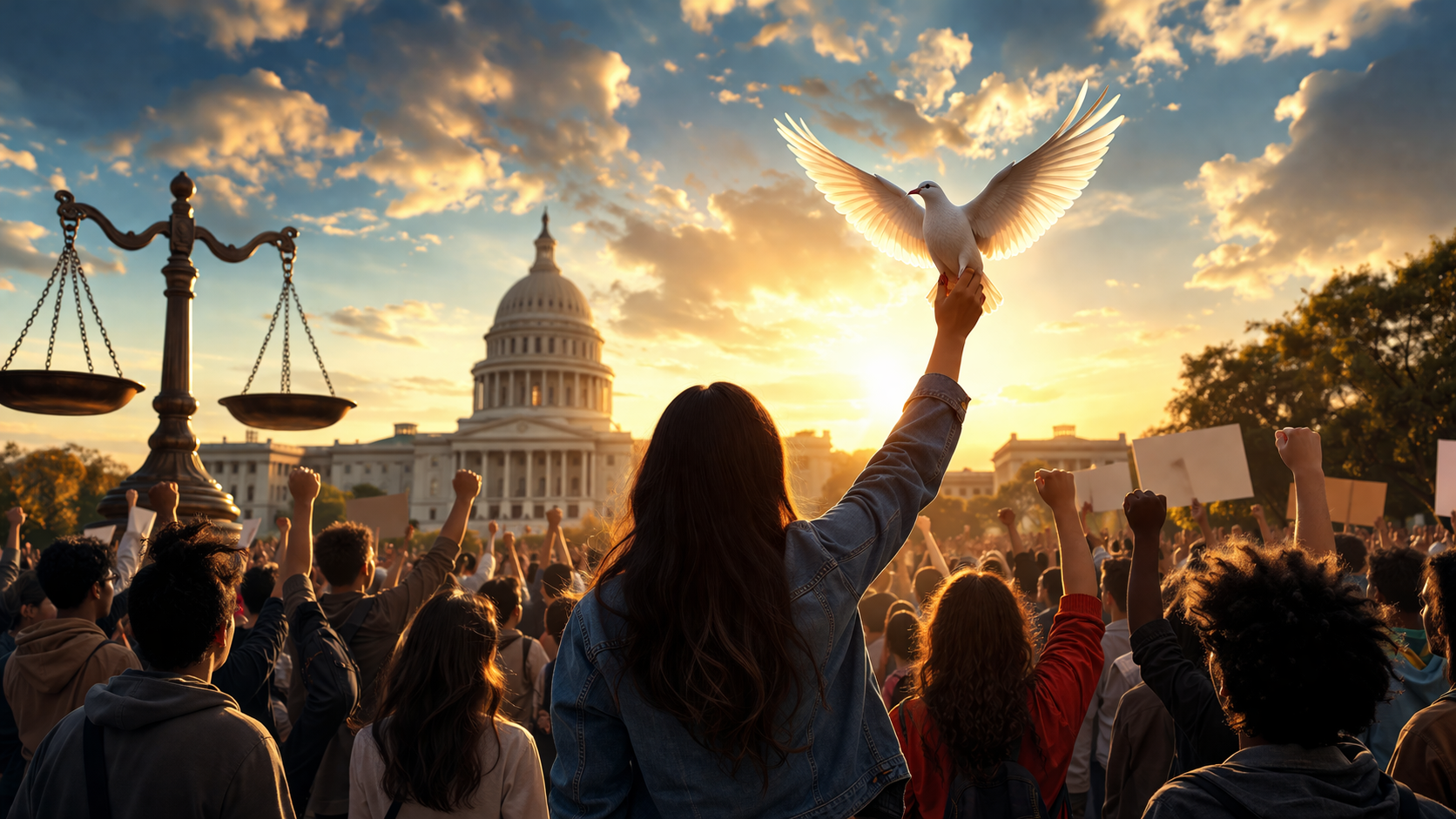
Liberty is one of the foundational pillars of a democratic society. It is not merely a political concept but a deeply rooted philosophical ideal that shapes the relationship between individuals and the state. For students of political science, understanding liberty is essential because it lies at the core of democratic governance, human dignity, and social justice. Without liberty, democracy becomes hollow, reduced to a procedural mechanism rather than a system that genuinely empowers citizens.
Explore the importance of liberty in a democratic society, its role in political participation, equality, and individual development.

Table of Contents
Understanding Liberty: Concept and Meaning
Liberty, in its simplest sense, refers to freedom—the ability of individuals to act, think, and express themselves without unnecessary interference. However, political theorists have long debated its precise meaning. Liberty is not absolute freedom; rather, it is freedom within a framework of laws that ensure the same rights for others.
Two major dimensions of liberty are often discussed: negative liberty and positive liberty. Negative liberty refers to freedom from external constraints—freedom from interference by the state or others. Positive liberty, on the other hand, emphasizes the capacity of individuals to act upon their free will, which may require enabling conditions such as education, economic opportunities, and social equality.
In a democratic society, both dimensions are crucial. While negative liberty protects individuals from authoritarian control, positive liberty ensures that all individuals have the means to truly exercise their freedom.
Liberty as the Foundation of Democracy
Democracy is often defined as “government of the people, by the people, and for the people.” This ideal cannot be realized without liberty. Liberty enables citizens to participate in political processes, express dissent, and hold leaders accountable.
Freedom of speech, for example, allows individuals to criticize government policies. Freedom of association enables people to form political parties, unions, and civil society organizations. Without these liberties, democratic institutions would become ineffective, as citizens would lack the power to influence governance.
Moreover, liberty ensures that elections are meaningful. If individuals are not free to express their opinions or choose their representatives without coercion, elections become mere formalities rather than instruments of popular sovereignty.
Liberty and Individual Development
Liberty plays a vital role in the development of individuals. It allows people to explore their talents, pursue their interests, and make choices about their lives. In a democratic society, individuals are not treated as mere subjects but as autonomous beings capable of rational thought and action.
The freedom to think and express ideas fosters intellectual growth and innovation. Scientific discoveries, artistic creativity, and cultural advancements thrive in an environment where liberty is respected. Conversely, societies that suppress liberty often experience stagnation, as individuals are discouraged from questioning established norms.
Liberty also contributes to moral development. When individuals are free to make choices, they learn to take responsibility for their actions. This sense of responsibility is essential for the functioning of a democratic society, where citizens are expected to act not only in their own interest but also in the interest of the community.
Liberty and Equality: A Necessary Balance
While liberty is essential, it must be balanced with equality. Excessive emphasis on liberty without regard for equality can lead to social and economic disparities. For example, if individuals are free to accumulate wealth without restrictions, it may result in extreme inequality, which can undermine the democratic process.
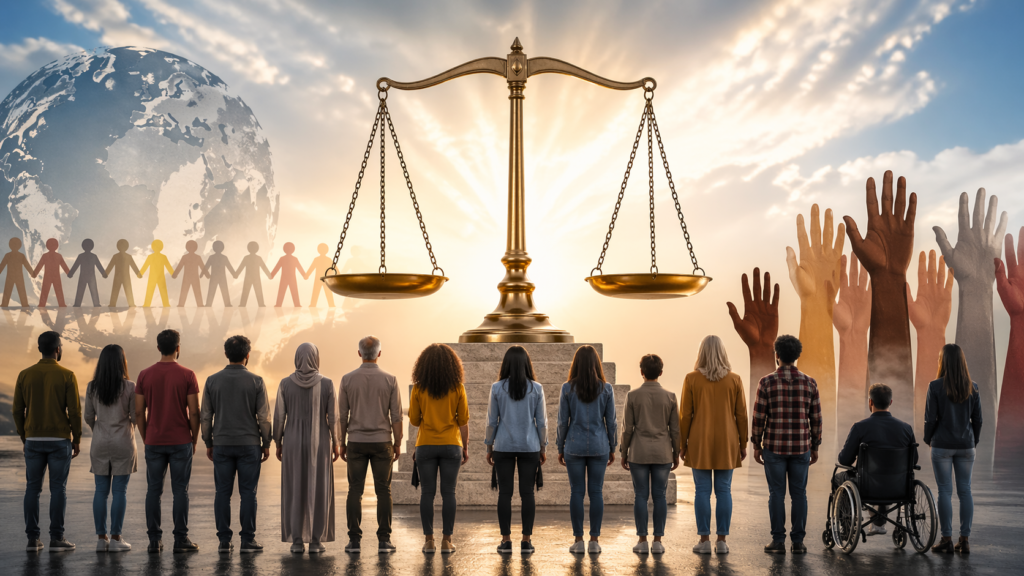
In a democratic society, liberty and equality are complementary rather than contradictory. Equality ensures that all individuals have equal opportunities to exercise their liberty. This is why modern democracies often implement policies such as education, healthcare, and social welfare programs to promote positive liberty.
The challenge lies in finding the right balance. Too much state intervention may restrict individual freedom, while too little may lead to inequality and exploitation. A well-functioning democracy strives to maintain this delicate equilibrium.
Liberty and Rule of Law
Liberty cannot exist without the rule of law. Laws provide a framework within which individuals can exercise their freedom without infringing on the rights of others. The rule of law ensures that all individuals, including those in power, are subject to the same legal standards.
In a democratic society, laws are not arbitrary but are created through a participatory process. This gives legitimacy to legal restrictions on liberty. For instance, laws that prohibit violence or discrimination are necessary to protect the liberty of others.
At the same time, the rule of law acts as a safeguard against abuse of power. Independent judiciary systems ensure that individuals can seek justice if their rights are violated. Thus, liberty and the rule of law are mutually reinforcing.
Liberty and Political Participation
Political participation is a hallmark of democracy, and liberty is its precondition. Citizens must have the freedom to vote, campaign, protest, and engage in public discourse. These activities allow individuals to influence decision-making and shape public policies.
Liberty also encourages active citizenship. When individuals feel that their voices matter, they are more likely to participate in democratic processes. This participation strengthens the legitimacy of the government and fosters a sense of collective responsibility.
In contrast, restrictions on liberty can lead to political apathy or unrest. When people are denied the freedom to express their views or participate in governance, they may become disengaged or resort to extreme measures to assert their rights.
Liberty and Diversity
Democratic societies are characterized by diversity—of cultures, religions, languages, and beliefs. Liberty allows this diversity to flourish. Individuals are free to practice their religion, speak their language, and express their cultural identity.
This diversity enriches society by promoting mutual understanding and respect. It also encourages innovation, as different perspectives contribute to problem-solving and decision-making.
However, managing diversity requires tolerance and respect for the rights of others. Liberty must be exercised in a way that does not harm or discriminate against others. Democratic societies often promote values such as pluralism and secularism to ensure that diversity is respected.
Liberty in the Digital Age
In the contemporary world, the concept of liberty has expanded to include digital freedoms. The internet has become a platform for communication, information sharing, and political participation. Freedom of expression in the digital space is as important as in the physical world.
However, the digital age also presents challenges. Issues such as misinformation, surveillance, and data privacy raise questions about the limits of liberty. Governments must balance the need to regulate digital spaces with the need to protect individual freedoms.
For political science students, understanding these emerging issues is crucial. The concept of liberty is evolving, and democratic societies must adapt to ensure that freedom is preserved in the face of new challenges.
Threats to Liberty
Despite its importance, liberty is often under threat. Authoritarian tendencies, even within democratic systems, can lead to restrictions on freedom. Emergency powers, censorship, and surveillance are sometimes justified in the name of security but can undermine liberty if not carefully regulated.
Economic inequality is another threat. When wealth and resources are concentrated in the hands of a few, it can limit the freedom of others. For example, individuals struggling with poverty may lack the means to exercise their rights effectively.
Social pressures and cultural norms can also restrict liberty. Discrimination based on gender, caste, race, or religion can prevent individuals from enjoying their freedoms fully.
Recognizing these threats is the first step toward addressing them. Democratic societies must remain vigilant to protect liberty from both external and internal challenges.
Liberty and Responsibility
Liberty is not just about rights; it also involves responsibilities. In a democratic society, individuals are expected to exercise their freedom in a way that respects the rights of others and contributes to the common good.
For example, freedom of speech does not include the right to spread hate or incite violence. Similarly, economic freedom should not lead to exploitation or environmental degradation.
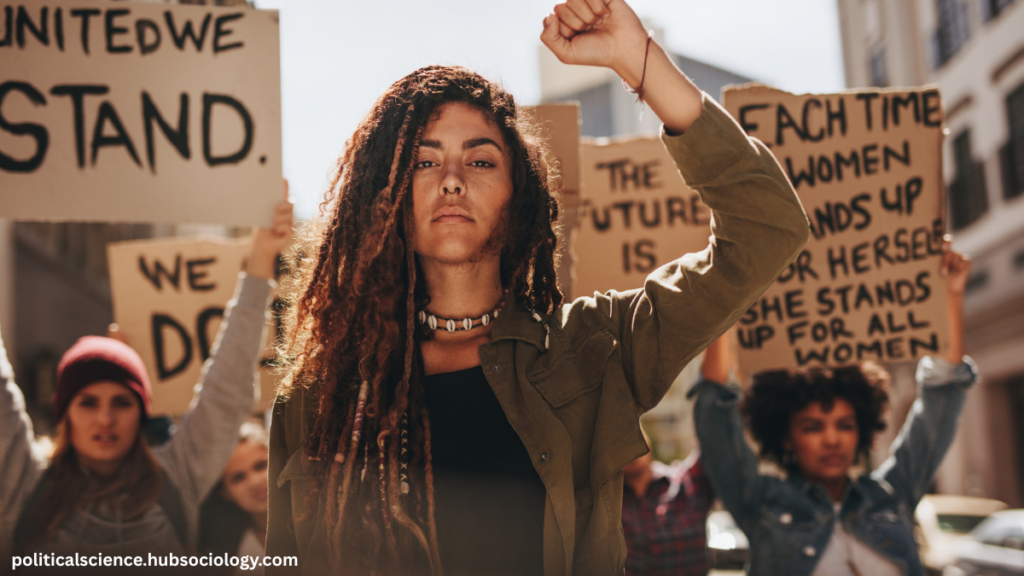
Responsible use of liberty strengthens democracy. It fosters trust among citizens and ensures that freedom is sustainable in the long term.
Conclusion
The importance of liberty in a democratic society cannot be overstated. It is the foundation upon which democratic institutions are built and the driving force behind individual and collective progress. Liberty enables political participation, protects individual rights, promotes diversity, and fosters innovation.
However, liberty is not absolute. It must be balanced with equality, guided by the rule of law, and exercised with responsibility. Democratic societies must continuously strive to protect and expand liberty while addressing the challenges that threaten it.
For political science students, studying liberty provides valuable insights into the functioning of democracy and the complexities of governance. It highlights the importance of safeguarding freedom while ensuring justice and equality for all.
In an ever-changing world, the concept of liberty remains as relevant as ever. Its preservation is not just the responsibility of governments but of every citizen. A truly democratic society is one where liberty is not only guaranteed by law but also respected and practiced in everyday life.
FAQs on Importance of Liberty
- What is the importance of liberty in a democratic society?
The importance of liberty lies in ensuring individuals can express, think, and act freely while participating in governance without fear. - Why is the importance of liberty essential for political participation?
The importance of liberty allows citizens to vote, protest, and express opinions, which are necessary for meaningful democracy. - How does the importance of liberty protect individual rights?
The importance of liberty ensures fundamental rights like freedom of speech, religion, and association are safeguarded. - What is the importance of liberty in maintaining equality?
The importance of liberty helps create equal opportunities so all individuals can exercise their rights without discrimination. - How does the importance of liberty contribute to human development?
The importance of liberty allows individuals to develop their talents, make choices, and achieve personal growth. - What role does the importance of liberty play in democracy?
The importance of liberty forms the backbone of democracy by enabling free elections and accountable governance. - How is the importance of liberty related to the rule of law?
The importance of liberty is protected by laws that ensure no one, including rulers, can violate individual freedoms. - Why is the importance of liberty necessary for freedom of expression?
The importance of liberty ensures people can share ideas, criticize authority, and promote innovation. - What is the importance of liberty in a diverse society?
The importance of liberty allows different cultures, religions, and identities to coexist peacefully. - How does the importance of liberty prevent authoritarianism?
The importance of liberty limits excessive government control and protects citizens from oppression. - What is the importance of liberty in economic life?
The importance of liberty allows individuals to choose professions, start businesses, and improve their economic condition. - How does the importance of liberty relate to social justice?
The importance of liberty ensures marginalized groups can claim rights and fight against discrimination. - Why must the importance of liberty be balanced with responsibility?
The importance of liberty requires individuals to respect others’ rights and avoid misuse of freedom. - What challenges affect the importance of liberty today?
The importance of liberty faces threats from surveillance, inequality, misinformation, and authoritarian policies. - How can citizens protect the importance of liberty?
The importance of liberty can be protected through awareness, active participation, and respect for democratic values.
2 thoughts on “Importance of Liberty in a Democratic Society”