
Introduction
Power and influence are among the most fundamental concepts in Political Science. Every political system, whether democratic, authoritarian, monarchic, or socialist, revolves around the distribution and exercise of power. Political institutions, leaders, social movements, international organizations, and citizens all participate in struggles over authority, control, and influence. Without understanding power and influence, it is impossible to understand politics itself.
Political Science studies how power is acquired, maintained, exercised, and challenged within society. It also explores how influence shapes decision-making processes in governments, institutions, and international relations. The relationship between power and influence affects laws, public policies, elections, social movements, and even everyday social interactions.
In modern societies, power is not limited only to governments or political leaders. Corporations, media organizations, religious groups, pressure groups, social activists, and international institutions also exercise considerable influence over political outcomes. Political Science therefore examines both formal and informal forms of power.
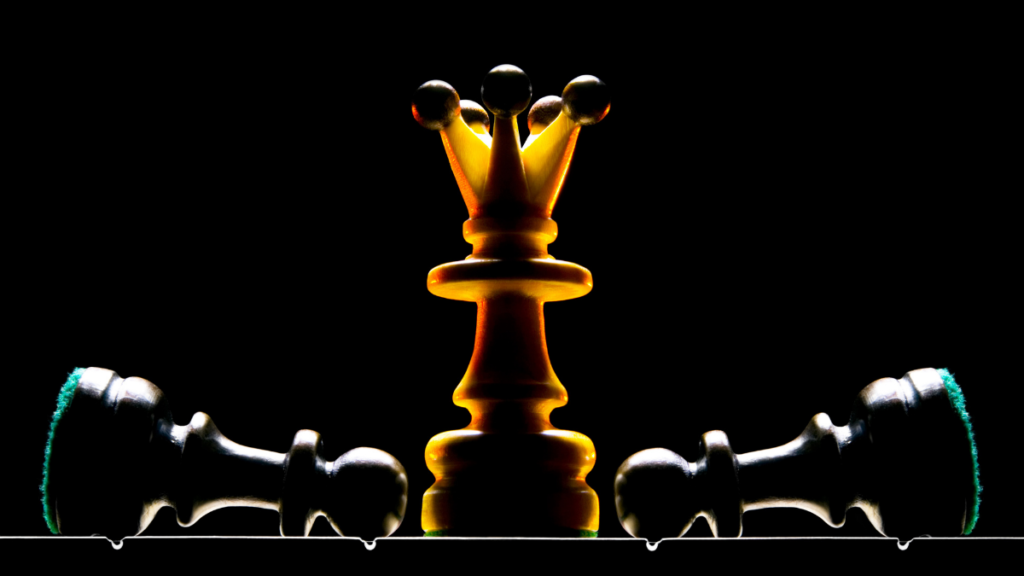
This article explains the meaning, nature, theories, sources, dimensions, and significance of power and influence from a Political Science perspective. It also discusses the relationship between power and authority, the role of influence in democratic politics, and contemporary challenges associated with political power.
Meaning of Power
Power refers to the ability of an individual or group to influence the behavior, decisions, or actions of others. In political terms, power is the capacity to make others act according to one’s will, even against resistance.
The famous political scientist Harold Lasswell described politics as the study of “who gets what, when, and how.” This definition directly connects politics with power because the distribution of resources and opportunities depends largely on power relations.
Another important scholar, Robert Dahl, defined power as the ability of one actor to get another actor to do something that they would not otherwise do.
Power exists in every society and institution. Governments exercise power through laws and policies, while citizens may use collective power through protests, voting, or social movements.
Meaning of Influence
Influence refers to the ability to shape opinions, attitudes, decisions, or behaviors without necessarily using force or formal authority. Influence is often subtle and persuasive rather than coercive.

For example, a respected political leader may influence public opinion through speeches and ideas rather than legal authority. Similarly, media organizations influence political debates by controlling information and public narratives.
Influence differs from power because it often operates through persuasion, legitimacy, culture, ideology, and communication rather than direct control.
Relationship Between Power and Influence
Power and influence are closely connected concepts. Power may create influence, and influence may lead to power. However, they are not identical.
- Power often involves coercion or authority.
- Influence usually involves persuasion and voluntary acceptance.
A dictator may possess enormous political power but limited public influence if citizens fear rather than respect the ruler. On the other hand, a social activist may have great influence over public opinion despite lacking formal political authority.
In democratic societies, influence plays a major role because leaders depend on public support and legitimacy. Political campaigns, media communication, and ideological debates are therefore important instruments of influence.
Characteristics of Political Power
Political power possesses several important characteristics.
1. Relational Nature
Power exists only in relation to others. A person or institution cannot exercise power in isolation. There must be someone to influence or control.
2. Dynamic Nature
Power relations change over time. Political leaders rise and fall, governments change, and social movements alter political structures.
3. Unequal Distribution
Power is not distributed equally in society. Some individuals and groups possess more political, economic, or social resources than others.
4. Coercive Element
Political power may involve the use of force or sanctions. Governments enforce laws through police, courts, and military institutions.
5. Legitimacy
Power becomes more stable when people consider it legitimate. Legitimate power is often accepted voluntarily.
6. Invisible Dimension
Sometimes power operates indirectly through ideology, media, culture, or social norms. People may obey certain systems without recognizing the underlying structures of power.
Major Theories of Power
Political scientists and sociologists have developed various theories to explain the nature of power.
1. Classical Theory of Power
Classical political thinkers such as Plato and Aristotle viewed power as essential for maintaining political order and justice.
Niccolò Machiavelli emphasized practical political power and argued that rulers sometimes must use force and manipulation to preserve the state.
2. Max Weber’s Theory
Max Weber defined power as the probability that one actor can carry out their will despite resistance.
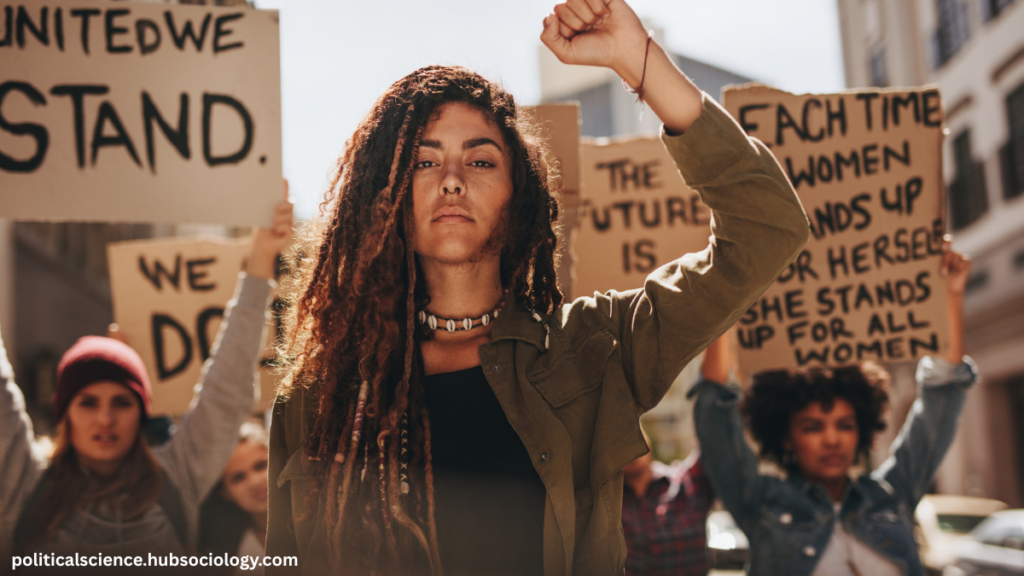
Weber also classified authority into three types:
Traditional Authority
Based on customs and traditions.
Charismatic Authority
Based on the extraordinary personality of a leader.
Legal-Rational Authority
Based on laws and formal rules.
Modern democratic states mainly depend on legal-rational authority.
3. Marxist Theory of Power
Karl Marx argued that economic power determines political power. According to Marxists, the ruling class controls political institutions to protect its economic interests.
In capitalist societies, wealthy classes influence laws, policies, media, and education systems. Marxists believe political power reflects class domination.
4. Elite Theory
Elite theorists argue that a small minority controls political power in every society.
Thinkers such as Vilfredo Pareto and Gaetano Mosca believed that elites dominate political institutions because they possess superior organizational abilities and resources.
Modern elite theorists suggest that political, military, corporate, and bureaucratic elites shape major political decisions.
5. Pluralist Theory
Pluralists reject the idea that power belongs only to elites. According to pluralist thinkers like Robert Dahl, power is distributed among multiple groups in society.
Interest groups, trade unions, media organizations, and citizens compete to influence political decisions. Democracy allows different groups to participate in the political process.
6. Michel Foucault’s Theory
Michel Foucault introduced a modern understanding of power. He argued that power is present everywhere in society and operates through institutions, language, knowledge, and social norms.
According to Foucault, schools, prisons, hospitals, and media systems shape human behavior through disciplinary power.
Sources of Political Power
Political power originates from several sources.
1. Authority
Formal authority granted by constitutions, laws, or institutions provides legitimate power.
2. Wealth
Economic resources significantly influence political processes. Wealthy individuals and corporations often affect elections and policy-making.
3. Knowledge and Expertise
Education, technical expertise, and information create influence in modern societies.
4. Military Strength
Armed forces provide coercive power to states.
5. Public Support
Democratic leaders depend heavily on public opinion and electoral support.
6. Organization
Political parties, pressure groups, and social movements gain power through collective organization.
7. Media and Communication
Mass media and digital platforms strongly shape public perception and political narratives.
Dimensions of Power
Political scientists identify different dimensions of power.
First Dimension: Decision-Making Power
This refers to the visible ability to make decisions and policies.
Example:
Governments passing laws in parliament.
Second Dimension: Agenda Control
Powerful groups may prevent certain issues from being discussed publicly.
Example:
Corporations influencing governments to avoid strict environmental regulations.
Third Dimension: Ideological Power
This dimension shapes beliefs, values, and preferences so that people accept existing systems without resistance.
Media, education, and culture play important roles in ideological power.
Power and Authority
Power and authority are related but different concepts.
| Power | Authority |
|---|---|
| May involve force | Based on legitimacy |
| Can be coercive | Generally accepted voluntarily |
| May be illegal | Operates within legal frameworks |
| Temporary in nature | More stable and institutionalized |
For example, a military coup may seize power without legitimate authority, while an elected government possesses both power and authority.
Power in Democratic Systems
In democratic societies, political power is limited and regulated by constitutional principles.
Rule of Law
Governments must act according to laws and constitutional provisions.
Separation of Powers
Legislative, executive, and judicial branches limit each other’s power.
Elections
Regular elections allow citizens to choose leaders and remove governments peacefully.
Civil Liberties
Freedom of speech, press, and association prevent excessive concentration of power.
Public Accountability
Democratic leaders are accountable to citizens and institutions.
Despite these safeguards, democratic systems still face challenges such as corruption, populism, corporate influence, and political polarization.
Influence in Modern Politics
Influence has become increasingly important in contemporary political systems.
Role of Media
Television, newspapers, and digital platforms shape political debates and public opinion.
Social media platforms influence elections, political campaigns, and social movements.
Pressure Groups and Lobbying
Interest groups influence government policies through lobbying and advocacy.
Business organizations, labor unions, environmental groups, and civil rights movements all attempt to shape political decisions.
Celebrity Influence
Celebrities and public figures increasingly participate in political discussions and influence public attitudes.
International Influence
Powerful countries and international organizations influence global politics through diplomacy, economic aid, trade agreements, and military alliances.
Organizations such as United Nations and World Bank influence international policy-making.
Soft Power and Hard Power
Modern Political Science distinguishes between hard power and soft power.
Hard Power
Hard power uses military force, economic sanctions, or coercion to achieve political goals.
Example:
Military interventions and economic embargoes.
Soft Power
The concept of soft power was developed by Joseph Nye.
Soft power refers to influencing others through culture, diplomacy, values, and attraction rather than force.
Countries exercise soft power through education, films, cultural exchanges, and international cooperation.
For example, cultural industries such as Netflix, global universities, and international sports events contribute to soft power.
Power and Political Leadership
Political leadership is deeply connected with power and influence.
Effective leaders use persuasion, communication, ideology, and organizational skills to maintain public support.
Some leaders rely mainly on coercive power, while others depend on democratic legitimacy and moral influence.
Leadership styles significantly affect political stability and governance.
Gender and Power
Political Science increasingly studies gender dimensions of power.
Historically, women faced exclusion from political institutions and decision-making processes. Feminist political theory examines how patriarchy shapes political structures and power relations.
Today, many countries promote women’s political participation through reservations, quotas, and leadership programs. However, gender inequality remains a major global issue.
Power and Globalization
Globalization has transformed traditional structures of political power.
Multinational corporations, international organizations, global financial institutions, and digital platforms now influence national policies.
Governments sometimes struggle to control economic forces operating beyond national borders.
Globalization has therefore created both opportunities and challenges for state sovereignty.
Digital Power in the Information Age
The rise of digital technology has created new forms of political power.
Social Media Influence
Platforms like Meta Platforms and X Corp. influence political communication and information flow.
Data and Surveillance
Governments and corporations collect massive amounts of data, raising concerns about privacy and surveillance.
Cyber Politics
Cyber warfare, misinformation campaigns, and digital propaganda increasingly affect international relations and democratic systems.
Challenges Associated with Political Power
Political power can create several problems if not properly controlled.
Corruption
Powerful individuals may misuse public resources for personal gain.
Authoritarianism
Concentration of power may destroy democratic institutions and civil liberties.
Inequality
Unequal distribution of power often leads to social and economic inequality.
Manipulation of Information
Political actors may spread propaganda or misinformation to influence public opinion.
Abuse of Human Rights
Excessive state power can result in repression and human rights violations.
Importance of Studying Power and Influence
The study of power and influence is essential for Political Science students because it helps explain:
- The functioning of governments
- Political decision-making processes
- Social conflicts and inequalities
- International relations
- Democratic participation
- Public policy formation
- Leadership and governance
Understanding power also helps citizens become politically aware and active participants in democratic life.
Conclusion
Power and influence are central concepts in Political Science because they shape every aspect of political life. Governments, political leaders, institutions, corporations, and citizens constantly engage in struggles over authority, control, and decision-making.
Power may operate through force, law, wealth, ideology, or social institutions, while influence often works through persuasion, communication, and cultural attraction. Different political theories provide different explanations of how power is distributed and exercised within society.
In democratic systems, the regulation of political power through constitutions, elections, and civil liberties is essential for protecting freedom and equality. At the same time, modern developments such as globalization, digital communication, and social media have transformed traditional forms of political influence.
For Political Science students, the study of power and influence provides deep insight into the functioning of political systems and the nature of human society. It enables students to critically analyze political institutions, leadership, governance, and global affairs. Ultimately, understanding power is essential for understanding politics itself.
FAQs on Power and Influence
1. What is meant by power and influence in Political Science?
Power and influence refer to the ability to control, persuade, or shape the behavior and decisions of individuals, groups, or governments in political systems.
2. Why are power and influence important in politics?
Power and influence are important because they determine how decisions are made, laws are implemented, and resources are distributed within society.
3. What is the difference between power and influence?
Power often involves authority or coercion, while influence mainly works through persuasion, ideas, and public support.
4. How do governments use power and influence?
Governments use power and influence through laws, policies, institutions, media communication, and public administration.
5. What are the main sources of power and influence?
The main sources of power and influence include wealth, authority, military strength, knowledge, public support, and media control.
6. How does media affect power and influence?
Media shapes public opinion, political debates, and electoral behavior, making it a powerful instrument of political influence.
7. What is soft power and influence in international relations?
Soft power and influence refer to the ability of a country to attract and persuade others through culture, diplomacy, education, and values rather than military force.
8. How do political leaders gain power and influence?
Political leaders gain power and influence through elections, charisma, public trust, organizational skills, and political strategies.
9. What role does public opinion play in power and influence?
Public opinion strongly affects power and influence because democratic leaders depend on citizens’ support for legitimacy and political success.
10. How are power and influence related to democracy?
In democracy, power and influence are regulated through constitutions, elections, rule of law, and citizen participation.
11. Can influence exist without formal political power?
Yes, social activists, intellectuals, celebrities, and media personalities may have strong influence without holding official political positions.
12. What is the Marxist view of power and influence?
Marxists believe economic classes control political power and influence to protect their economic interests and maintain class dominance.
13. How does globalization affect power and influence?
Globalization increases the influence of multinational corporations, international organizations, and digital platforms over national governments.
14. What are the dangers of excessive power and influence?
Excessive power and influence may lead to corruption, authoritarianism, inequality, censorship, and abuse of human rights.
15. Why should Political Science students study power and influence?
Political Science students study power and influence to understand political systems, governance, leadership, policy-making, and social conflicts.